
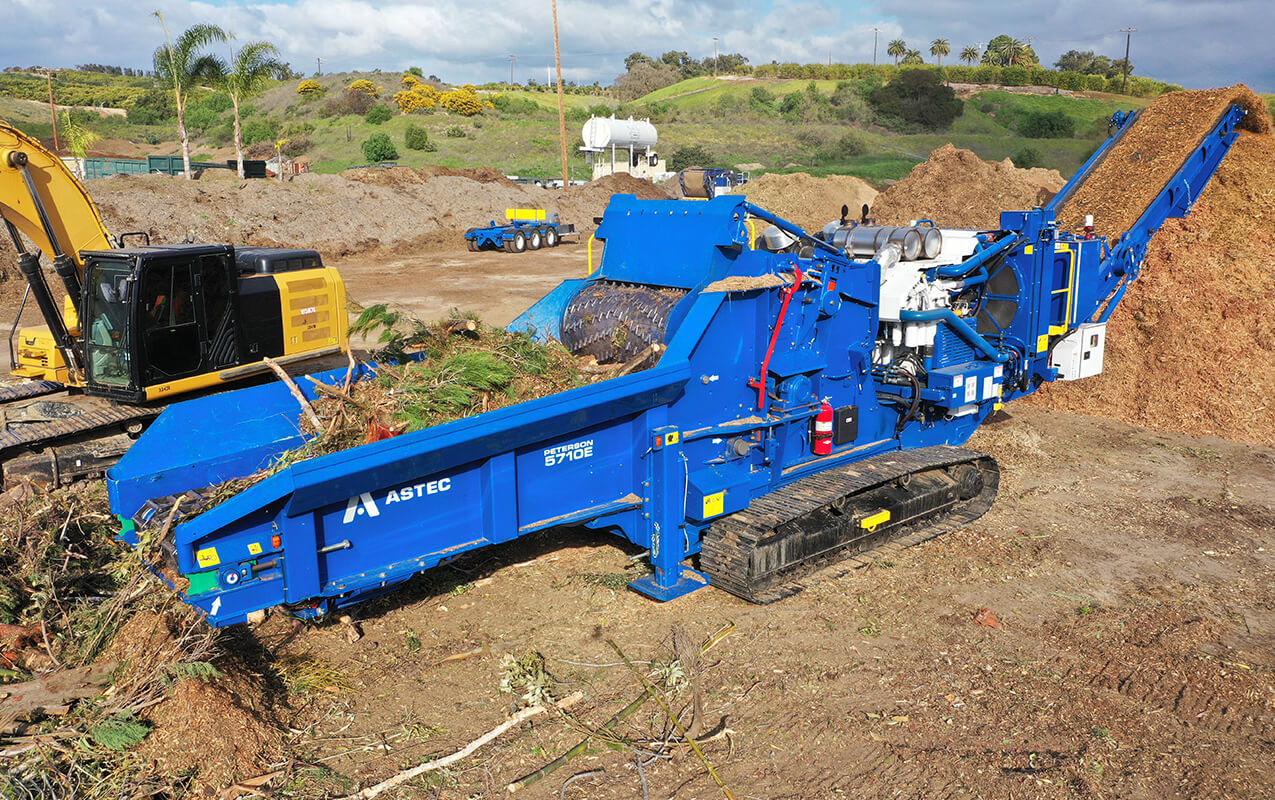
Peterson 5710E Horizontal Grinder
The Peterson 5710E Horizontal Grinder is a tracked horizontal grinder ideal for demanding applications and specifications. The 5710E is ideal for operations requiring high production and frequent moves between jobs.
Feed Opening:
60" x 55" (152 x 140 cm)
Horsepower:
1,050 hp (783 kW)
Machine Weight:
88,805 lb (40281 kg)
Overview
Peterson 5710E Horizontal Grinder
The 5710E is designed for high-volume producers who require frequent moves among sites. The 5710E features a ground fuel option, improved approach angles, a 4,515 square-inch screening area and an 8% larger rotor with more bits. The machine weight is also lighter than its predecessors.
Powered by a Tier IV Caterpillar C27 1,050 hp (783 kW) engine or an optional C32 1,125 hp (839 kW) engine, the 5710E can easily tackle a variety of materials, having a positive impact on efficiency and productivity.
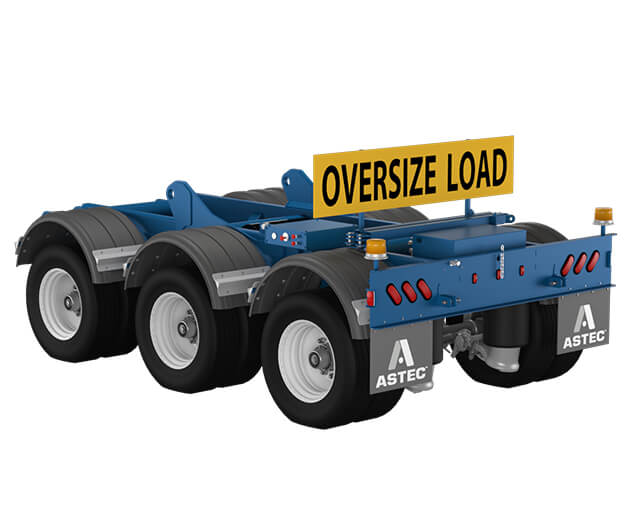
Astec’s optional Peterson transportation dolly is designed to be used with the Peterson 3710E or 5710E horizontal grinder and is an ideal solution for grinding operations that have frequent moves between jobs.
Features
Tow Dolly
Optional transportation dolly features a powered coupling system and is compatible with the 3710E and 5710E model.
3-stage Grinding Process
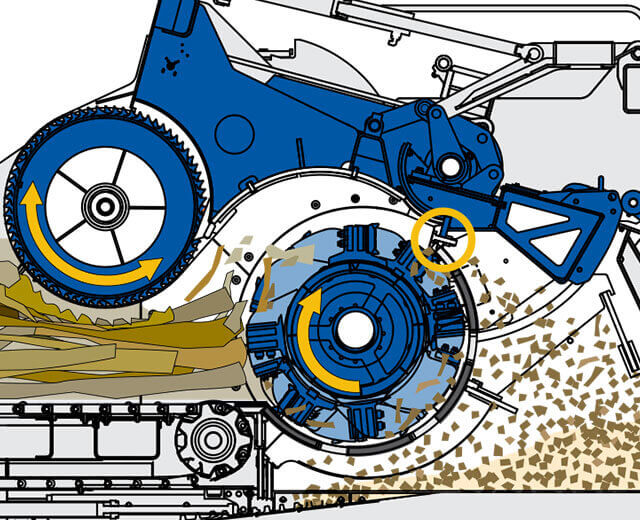
The powerful up-turn 3-stage grinding process provides better fracturing of material and a more consistent product, giving you just the product your buyers want.
Impact Release System Protects Your Investment
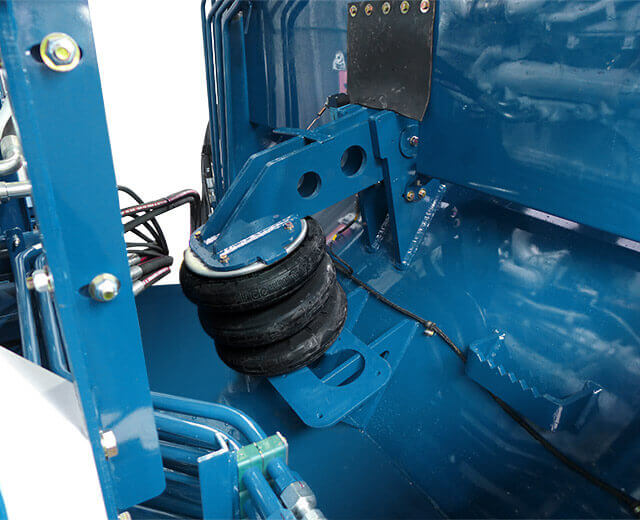
The air bags on the patented Astec Impact Release System provide uniform grinding and protection from contaminated feedstock, a feature unique to Peterson grinders.
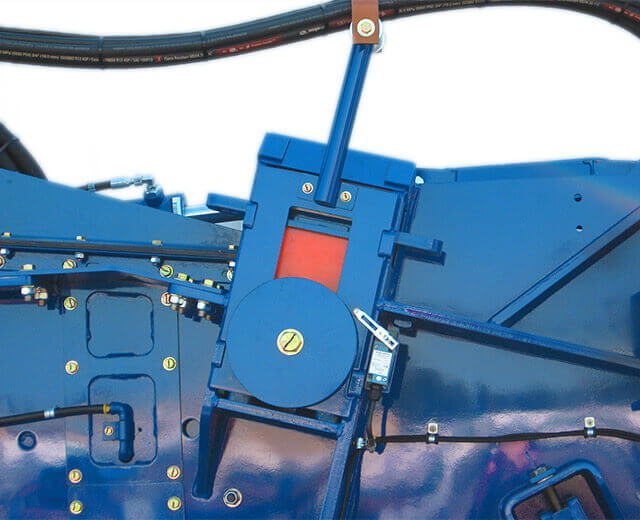
The Second Line of Defense: The Impact Cushion System
Urethane cushions and shear pins help protect the mill from catastrophic damage in the event of a severe impact from contaminants in the feedstock.


Specifications
All specifications subject to change without notice.
Where to Buy
Find an Astec Dealer Near You
Dedicated Support
Innovation You Can Count On, Support You Can Trust.
When you choose Astec, you’re never on your own. Our team is ready to answer your questions, solve problems, and keep your equipment running smoothly—today, tomorrow, and for years to come.
Applications
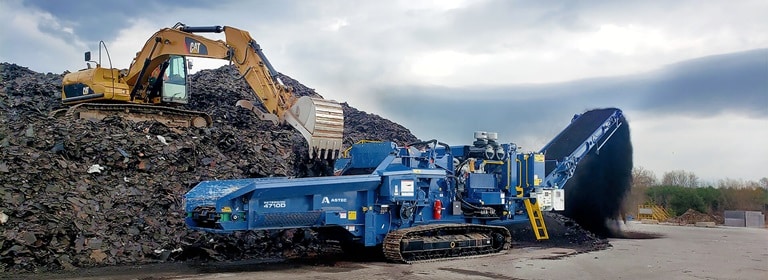
Asphalt Shingle Recycling
Asphalt shingle grinding is the process of making recycled asphalt shingles, which is produced by grinding asphalt roofing shingles to a small spec.
Learn More about Asphalt Shingle Recycling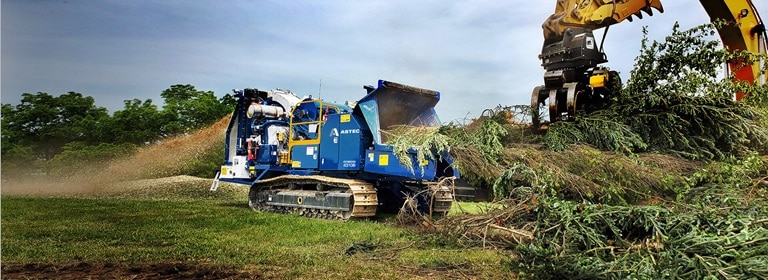
Biomass
Biomass is an energy source derived from renewable and sustainable organic materials to create electricity or other forms of power.
Learn More about Biomass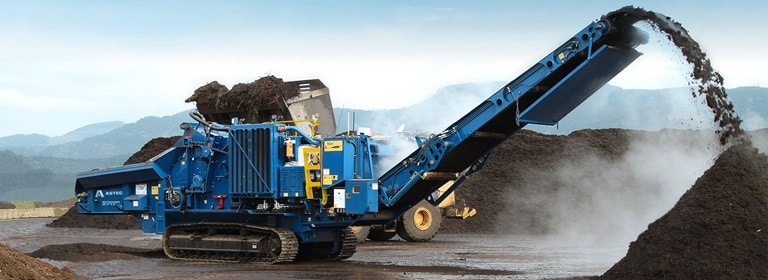
Compost
Compost is decomposed organic matter derived from either a single source material or blended for specific application performance.
Learn More about Compost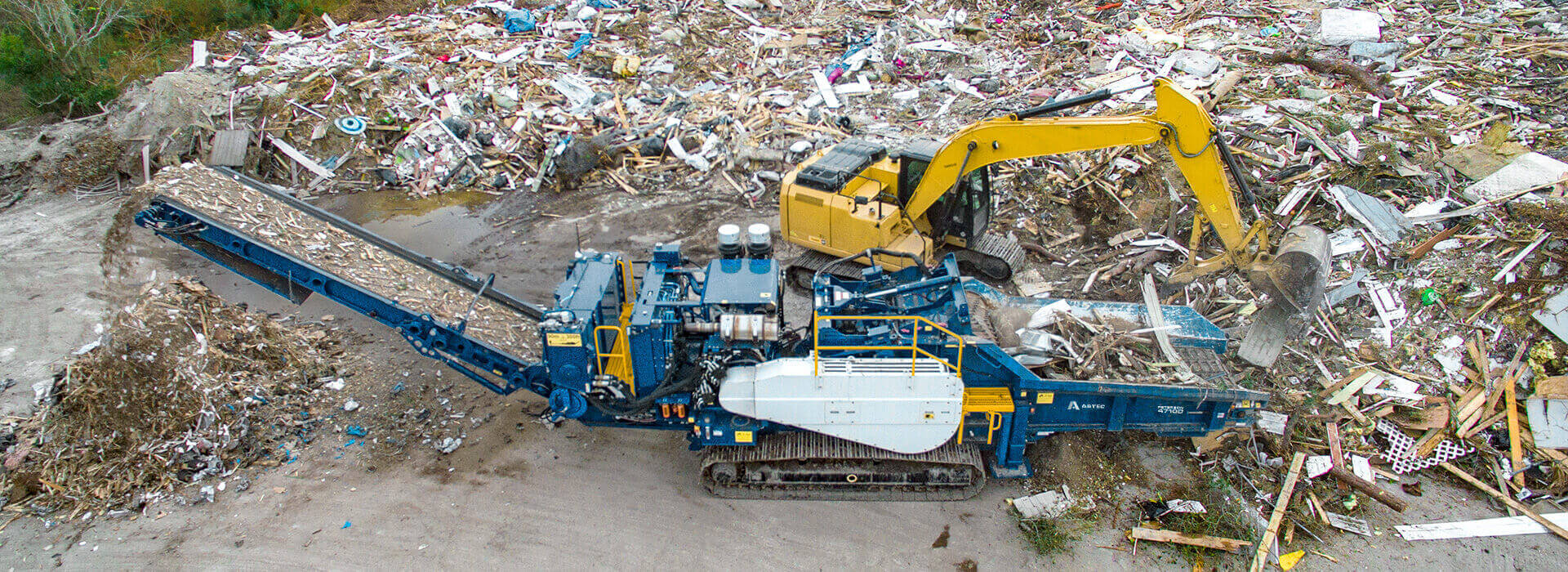
Construction & Demolition Recycling
Construction & Demolition Recycling materials include wood, cardboard, gypsum, plastic, metal, wire, roofing shingles, asphalt and concrete.
Learn More about Construction & Demolition Recycling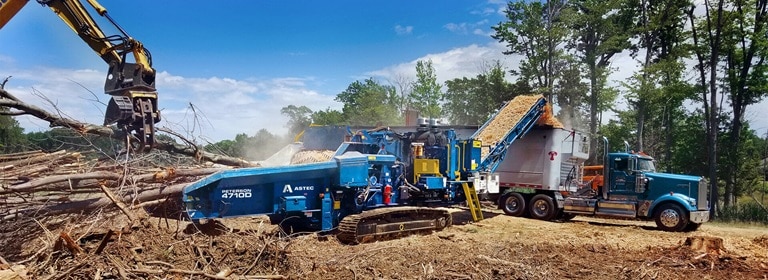
Land Clearing
Land clearing generally consists of trees, limbs & roots cleared from forested or partially forested land that will be used for a new purpose including farming, commercial development or right-of-ways
Learn More about Land Clearing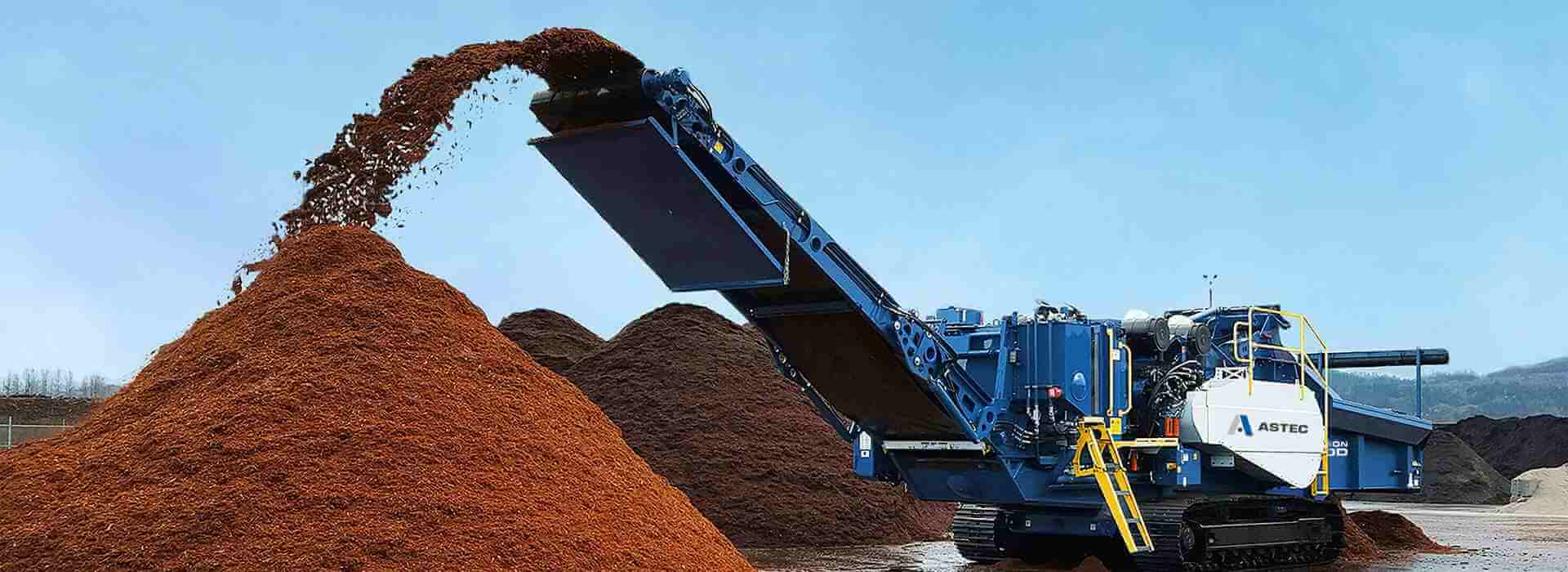
Mulch
Organic mulch is a product that can decompose, providing nutrients to the soil over time.
Learn More about Mulch
Municipal Solid Waste (MSW) Recycling
Grinding MSW is often part of the long-term plans for many landfills and municipalities to reduce MSW volume and fill rates, mitigate wear on machinery and help material decompose faster.
Learn More about Municipal Solid Waste (MSW) Recycling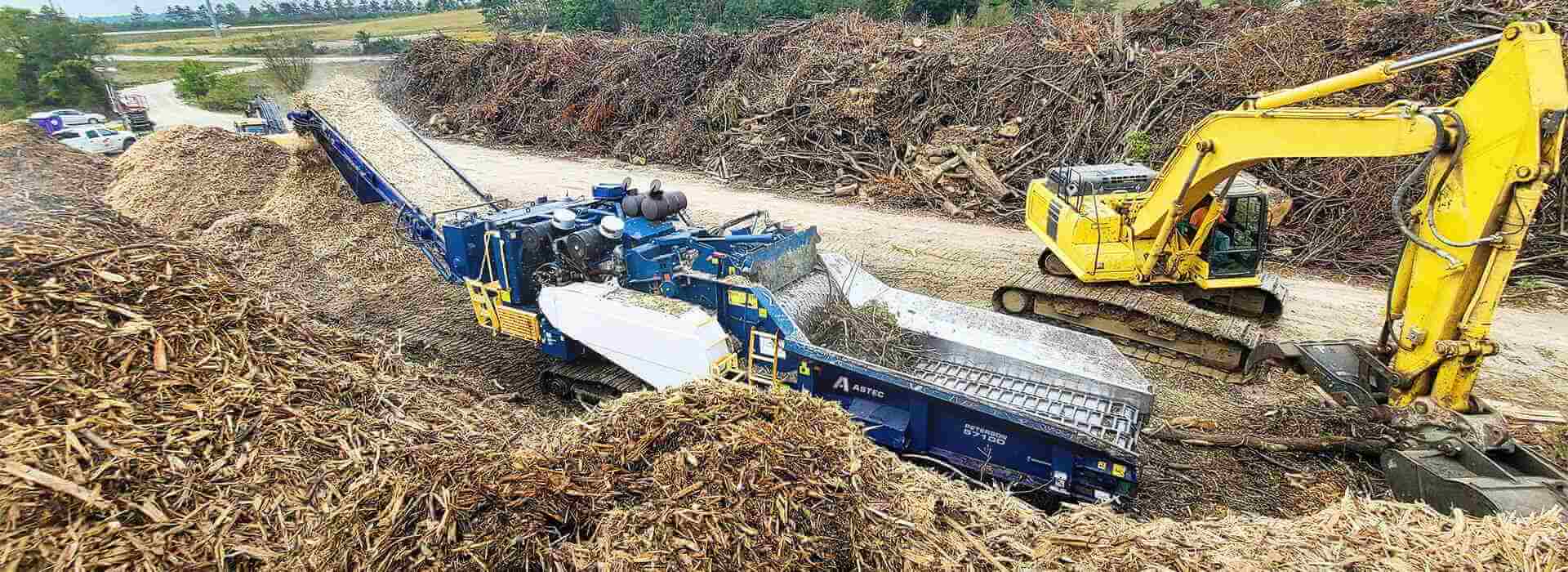
Natural Disaster Cleanup
Natural disasters create debris that must be cleared to restore affected areas.
Learn More about Natural Disaster Cleanup
Orchard Clearout
Commercial orchards are cleared on a rotating cycle to remove lower producing or unhealthy deciduous fruit, citrus and nut trees or to replace them with a more valuable crop.
Learn More about Orchard Clearout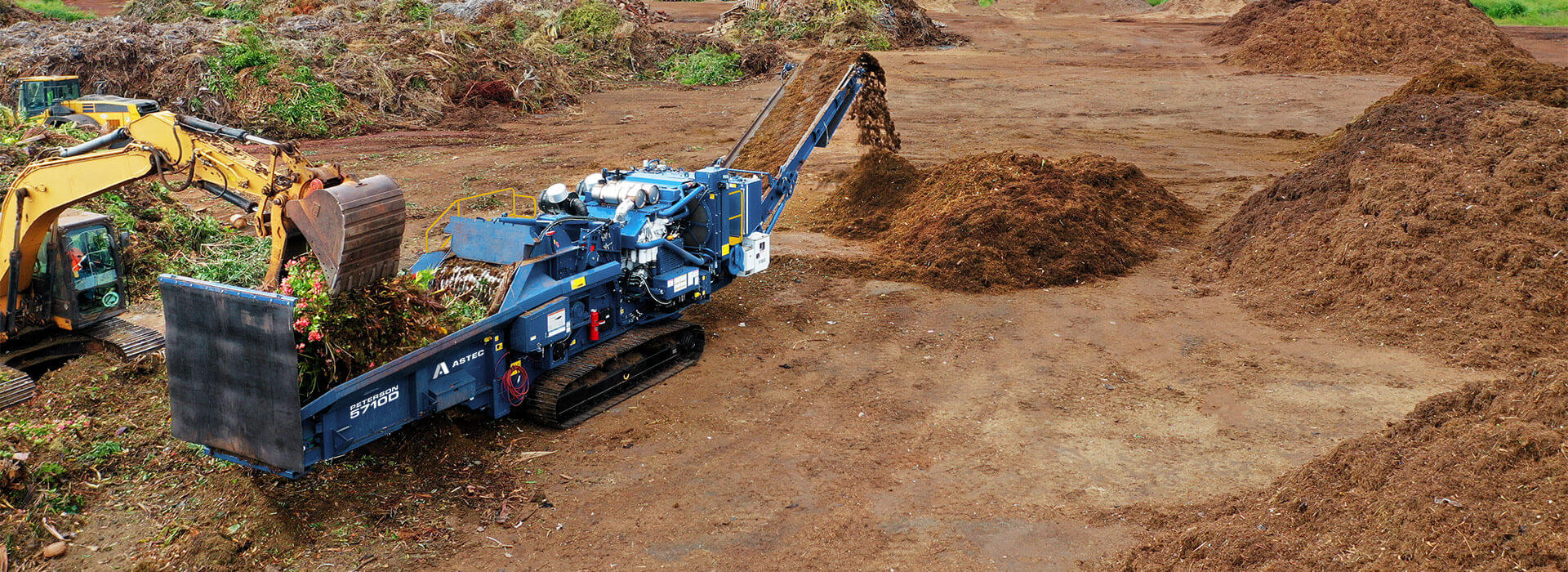
Organic Recycling
Green waste recycling turns biodegradable materials into compost, keeping them out of landfills and enriching gardens.
Learn More about Organic Recycling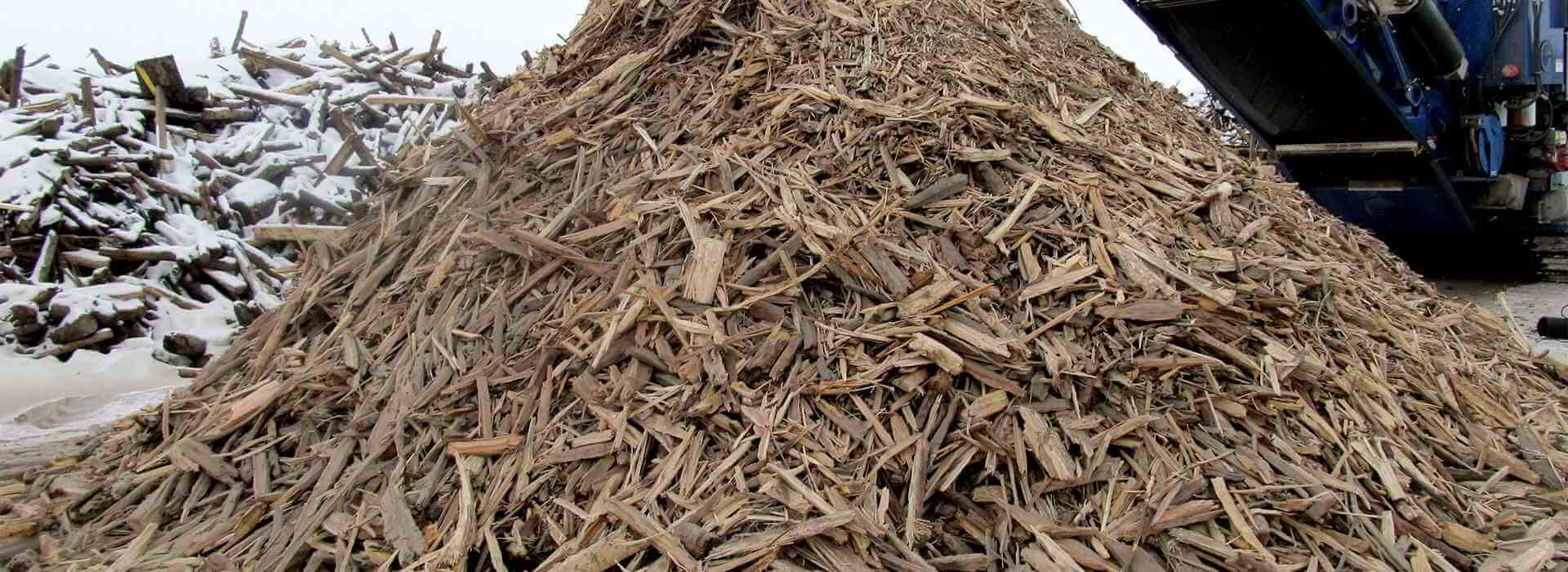
Railroad Tie Recycling
Expired or damaged railroad ties can be valuable for a variety of applications.
Learn More about Railroad Tie Recycling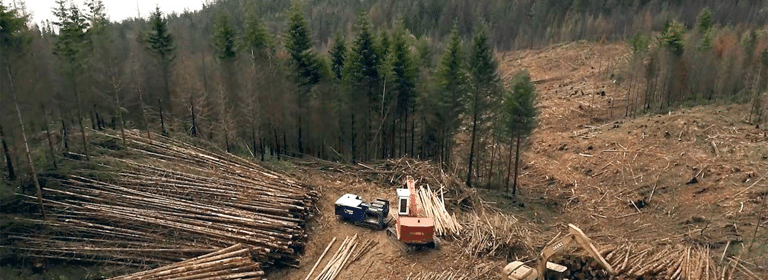
Salvage Timber
Salvage logging is the removal of dead or damaged trees from forestlands that have been damaged by natural causes.
Learn More about Salvage Timber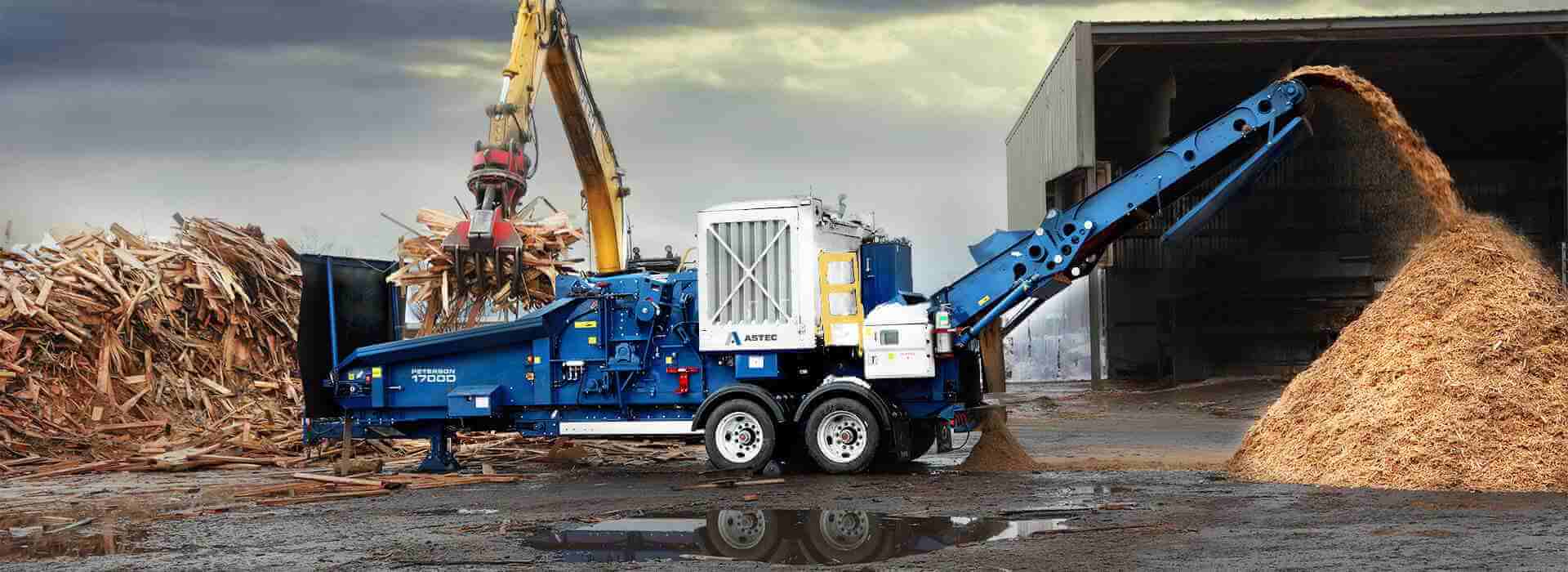
Wood Waste Recycling
Wood waste is the second largest category of construction and demolition (C&D) debris, and accounts for 10% of material added to landfills annually.
Learn More about Wood Waste RecyclingRelated Products
-
Peterson Transportation Tow Dolly
-
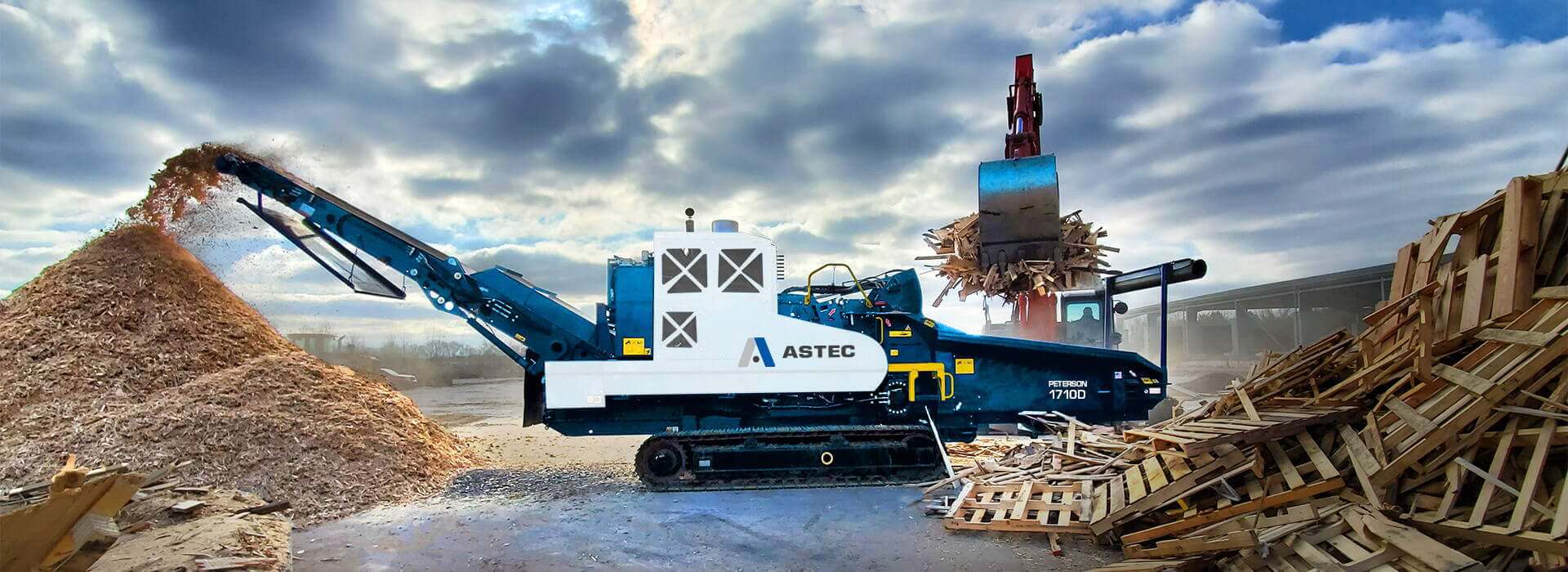
Peterson 1710D Horizontal Grinder
Feed Opening:
54" x 41.5" (137 x 105 cm)
Horsepower:
455 hp (339 kW)
Machine Weight:
46,500 lbs (21092 kg)
-
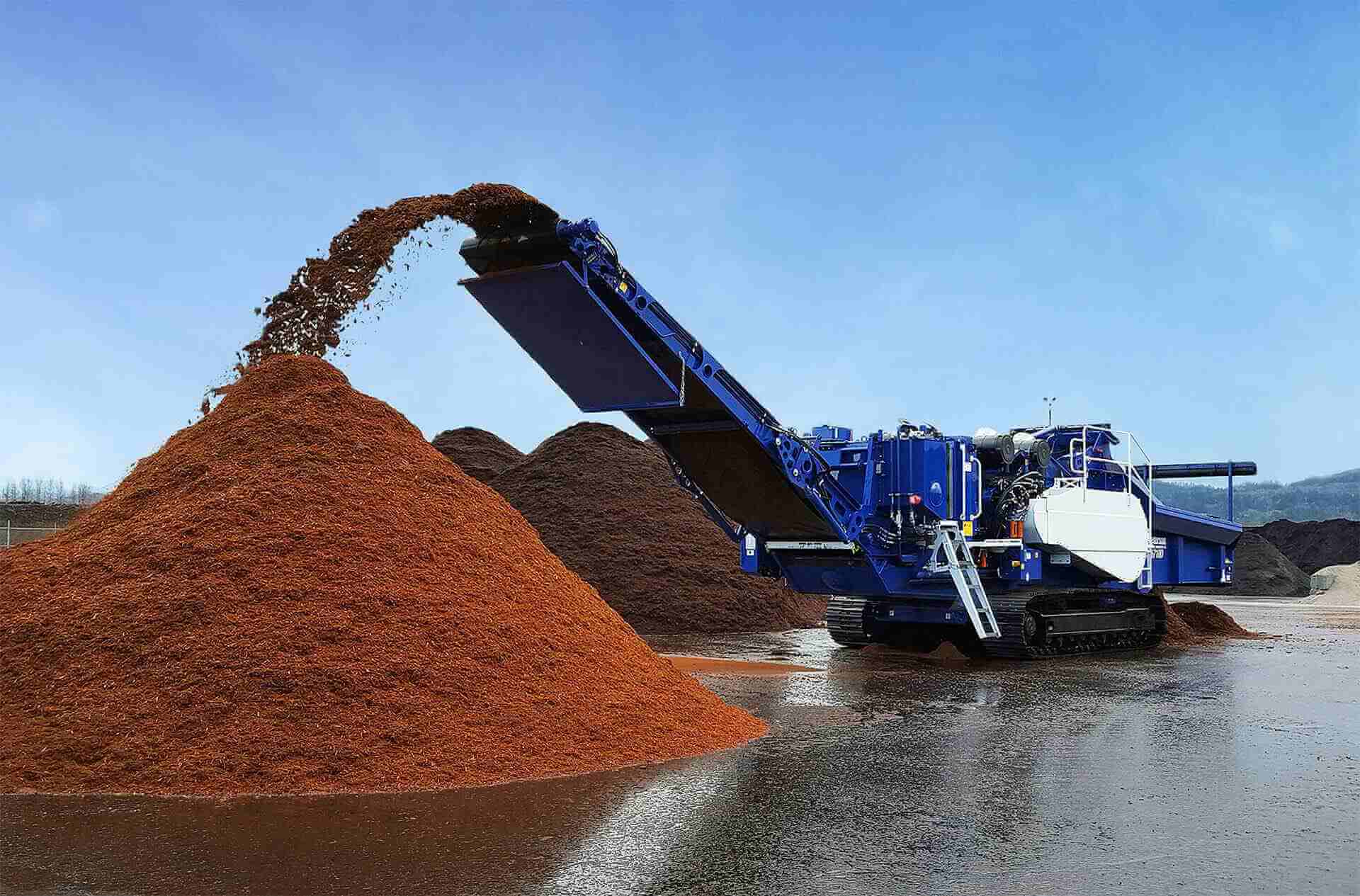
Peterson 6710D Horizontal Grinder
Feed Opening:
66" x 65" (168 x 165 cm)
Horsepower:
1125 hp (839 kW)
Machine Weight:
108,500 lbs (48987 kg)